
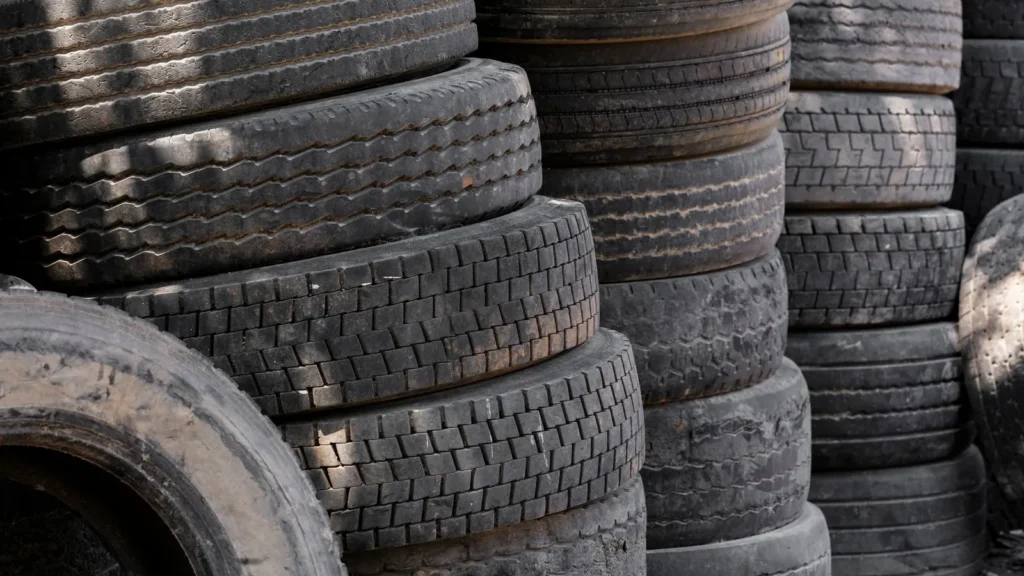
Used tires typically cost around $25 to $100 per tire, depending on their size, brand, tread depth, condition, and remaining lifespan. Larger tires for SUVs and trucks or premium tire models may cost more. Installation, balancing, valve stems, and other service fees can also increase the total price.
Buying used tires can help drivers save money when they need an affordable replacement. However, the lowest price is not always the best deal. Before purchasing, consider the tire's condition, how much tread remains, and whether it is appropriate for your vehicle.
How Much Do Used Tires Cost by Type?
The price of a used tire depends on several factors, including its original retail price and how much useful life remains. A used tire from a premium brand with plenty of tread may cost more than a budget tire with similar dimensions.
The following ranges are general estimates for budgeting purposes, not current quotes from a specific tire shop.
| Used tire type | Estimated price per tire |
|---|---|
| Small passenger car tires | $25–$50 |
| Standard sedan tires | $30–$60 |
| SUV and crossover tires | $40–$80 |
| Light truck tires | $50–$100+ |
| Premium or performance tires | $50–$100+ |
Actual prices vary by tire size, brand, condition, availability, and location. Some tires may fall outside these ranges.
If you are shopping for a replacement in Plano, Texas, check the available options through Mike's Tires Plano's used tire service to find a tire that fits your vehicle and budget.
How Much Is One Used Tire?
One used tire can cost approximately $25 to $100 or more, depending on its specifications and condition.
Replacing a single tire may be the most affordable option if only one tire is damaged and the remaining tires are in good condition. However, the replacement must be compatible with the other tires.
For example, a vehicle with all-wheel drive may require closely matched tire diameters or tread depths to protect its drivetrain. Some vehicles also have specific recommendations for replacing tires in pairs.
Before purchasing just one tire, ask a tire professional whether the replacement is appropriate for your vehicle.
How Much Is a Set of Four Used Tires?
A set of four used tires may cost approximately $100 to $400 or more before installation and other fees.
Your total depends on the price of each tire, whether all four are available in the correct size, and the amount of tread remaining.
For example, if each tire costs $45, four tires would total $180 before installation. If each costs $75, the set would total $300 before additional services.
When comparing sets, make sure all four tires meet your vehicle's requirements. Ideally, they should have compatible specifications and similar wear characteristics, particularly on all-wheel-drive vehicles.
What Factors Affect the Price of Used Tires?
Not all used tires are priced the same. Understanding the factors that affect their cost can help you compare options and avoid paying too much for a tire with limited remaining life.
1. Tire Size
Tire size is one of the main factors affecting price. Smaller tires for compact cars are often less expensive than larger tires designed for SUVs, pickup trucks, and performance vehicles.
Larger tires generally require more material and may have higher original retail prices. Certain uncommon sizes can also cost more because fewer suitable used tires are available.
Before shopping, identify the size recommended for your vehicle. You can learn how to interpret the numbers and letters on your tire in our guide to how to read tire size.
Choosing a tire solely because it is inexpensive can lead to fitment problems if its size or load rating is incorrect.
2. Tread Depth and Remaining Life
Tread depth has a significant effect on the value of a used tire. A tire with more usable tread remaining will generally be worth more than an otherwise comparable tire that is close to the end of its service life.
Tread helps tires maintain traction, particularly on wet roads. As the tread wears down, the tire's ability to channel water away from the contact area decreases.
Before purchasing, inspect the tread and check for uneven wear. You can also review our guide on how to check tire tread to understand what to look for.
Do not assume that a tire with visible tread is automatically safe. Internal damage, age, repairs, and other defects can affect whether it is suitable for continued use.
3. Brand and Original Quality
Premium tire brands may command higher used prices because of their original cost, construction, performance characteristics, or demand.
However, the brand alone does not determine whether a used tire is a good purchase. A premium tire with significant wear or damage may be a worse choice than a properly inspected tire with more remaining life.
Compare the tire's condition, specifications, and price rather than paying extra for the brand name alone.
4. Tire Condition
The overall condition of a used tire directly affects its value and suitability.
A tire may have an attractive price but still be unsuitable because of:
- Sidewall cuts, bulges, or cracks.
- Uneven tread wear.
- Exposed cords or structural damage.
- Previous improper repairs.
- Signs of damage from being driven while underinflated.
- Age-related deterioration.
A qualified tire professional should inspect the tire before installation. Tires with structural damage or other disqualifying defects should not be used, even if they are offered at a substantial discount.
5. Tire Age
Tires can deteriorate over time, even when they have plenty of tread remaining. Exposure to heat, sunlight, and environmental conditions can contribute to rubber aging.
This matters when buying used tires because you may not know how the previous owner stored or maintained them.
Check the tire's manufacturing date and inspect it for cracking or other signs of deterioration. Follow the vehicle and tire manufacturer's recommendations regarding tire age and replacement.
For additional guidance, read our article on how long used tires in Plano last.
6. Availability and Demand
Some tire sizes and models are easier to find than others. Common passenger-car sizes may be readily available, while specialty performance tires or less common truck sizes may be harder to source.
Limited availability can increase prices, especially when you need a replacement immediately.
If your current tire is still safe to drive on, comparing several suitable options may help you find a better price. If it is unsafe, avoid continuing to drive just to search for a cheaper tire.
Are Used Tires Cheaper Than New Tires?
Yes. Used tires generally cost less upfront than new tires because they have already been in service and have some wear.
New tires typically offer full tread life, a known service history, and manufacturer warranty coverage where applicable. Used tires can provide an economical alternative, but their remaining lifespan and condition vary.
Here is a general comparison.
| Factor | Used tires | New tires |
|---|---|---|
| Initial purchase price | Usually lower | Usually higher |
| Remaining tread life | Varies by condition | Full original tread when new |
| Previous history | May be unknown | No prior use |
| Warranty coverage | Varies by seller | Depends on brand and purchase terms |
| Selection | Depends on available inventory | Often broader by size and model |
| Value | Depends on condition and remaining life | Depends on purchase price and expected lifespan |
For drivers who plan to keep their vehicles for several years, new tires may offer better long-term value. For someone who needs an economical replacement for a short-term need, a properly inspected used tire may be worth considering.
If you prefer to compare new options, visit Mike's Tires Plano's new tire page.
Are Used Tires Worth Buying?
Used tires can be worth buying if they are safe, correctly sized, properly inspected, and priced according to their remaining useful life.
They can be especially helpful when you need to replace a damaged tire without paying for a full set of new tires. However, buying used tires simply because they are the cheapest option can lead to additional costs if they wear out quickly or need to be replaced soon.
When Used Tires May Be a Good Choice
Used tires may make sense when:
- You need a lower-cost replacement for a damaged tire.
- The tire has sufficient usable tread remaining.
- Its age and condition are acceptable.
- It meets your vehicle's size and load requirements.
- The price reflects its remaining service life.
- A qualified professional has inspected it.
For example, a used tire with substantial tread remaining and no structural defects may provide reasonable value for a driver who needs an affordable replacement.
When You Should Avoid Used Tires
Avoid buying a used tire if it has visible structural damage, exposed cords, significant sidewall cracking, an unsafe repair, or other serious defects.
You should also be cautious about tires with very little tread remaining. A low purchase price may not justify the expense if the tire will need replacement soon.
If your existing tires are already worn or damaged, compare the cost of used replacements with a suitable new set. Our guide on how to tell if you need new tires explains common signs that indicate replacement may be necessary.
What to Check Before Buying Used Tires
Before purchasing a used tire, take time to evaluate its condition and confirm that it is compatible with your vehicle.
Check the Tread Depth
Look for sufficient, even tread across the tire's width. Uneven wear may indicate alignment issues, inflation problems, suspension concerns, or other maintenance issues.
Do not judge tread depth by appearance alone. Have it measured and compare the results with applicable safety recommendations and local requirements.
Inspect the Sidewalls
Check both sidewalls for cuts, bulges, cracks, and other signs of damage. A bulge can indicate internal structural damage and is a reason to reject the tire.
Some defects may be difficult to identify without professional inspection, so a visual check should not be your only assessment.
Confirm the Manufacturing Date
Look for the tire identification information that indicates its manufacturing date. On many tires, the final four digits of the DOT Tire Identification Number represent the production week and year.
For example, a code ending in 2423 indicates the tire was manufactured during the 24th week of 2023.
A manufacturing date does not establish safety by itself. Consider the tire's age alongside its storage history, condition, and the manufacturer's replacement guidance.
Verify the Tire Size and Load Rating
Confirm that the used tire matches the size and load requirements specified for your vehicle. The correct dimensions matter for handling, clearance, braking, and compatibility with the other tires.
If you are unsure which specifications your vehicle needs, consult the owner's manual or the tire information label, commonly located on the driver's door jamb.
Ask About Repairs and Damage
Ask the seller whether the tire has been repaired or has experienced significant damage. A repair history can affect whether the tire is suitable for use.
Certain tread punctures may be repairable under established industry guidelines, but sidewall damage and other structural defects generally cannot be safely repaired.
When in doubt, have a tire professional inspect the tire before purchasing or installing it.
How Much Does It Cost to Install Used Tires?
The tire's purchase price is only one part of the total cost. Installation and related services may add to the final amount.
Depending on the shop and vehicle, additional charges may include:
- Mounting: Installing the tire onto the wheel.
- Balancing: Correcting weight distribution to reduce vibration.
- Valve stem or service kit: Replacing components when needed.
- Tire disposal: Handling an old tire when applicable.
- Additional inspection or repair: Addressing problems discovered during service.
For example, four used tires priced at $40 each would cost $160 before installation. If mounting, balancing, and other applicable fees total $100, the overall bill would be $260.
This is an illustrative calculation, not a quoted installation price. Ask the shop for an itemized estimate so you can compare the full cost rather than the advertised price per tire.
If your wheel is damaged, you may also need a separate service. Learn more about wheel repair in Plano if you notice bending, cracks, or other wheel problems.
How to Make Used Tires Last Longer
Proper maintenance can help you get more useful life from a suitable set of used tires.
Maintain Proper Tire Pressure
Check your tire pressure regularly and inflate tires according to the vehicle manufacturer's recommendations. Proper inflation helps reduce uneven wear and supports safe handling.
Read our guide on how to check tire pressure for practical instructions.
Rotate Tires as Recommended
Regular tire rotation can help promote more even wear, depending on the vehicle's drivetrain, tire type, and rotation requirements.
Follow the recommended maintenance schedule. You can learn more in our article on how often to rotate tires.
Check Wheel Alignment
Incorrect alignment can cause tires to wear unevenly and may shorten their useful life. If your vehicle pulls to one side or the tread wears unevenly, have the alignment checked.
Our guide on how to align car tires explains why proper alignment matters.
Inspect Tires Regularly
Look for changes in tread wear, cracks, bulges, and other damage. Addressing maintenance issues early can help prevent additional tire problems.
Texas heat can also place extra stress on tires, making regular inspections and pressure checks especially important. See our tire maintenance tips for Texas heat for more advice.
Find Affordable Used Tires in Plano, TX
Used tires typically cost around $25 to $100 per tire, but the right choice depends on your vehicle, budget, and the tire's condition. Compare the total installed price, verify the specifications, and prioritize safety over the lowest advertised cost.
If you need affordable replacement tires, visit Mike's Tires Plano's used tire service or contact the shop to ask about available options for your vehicle.