
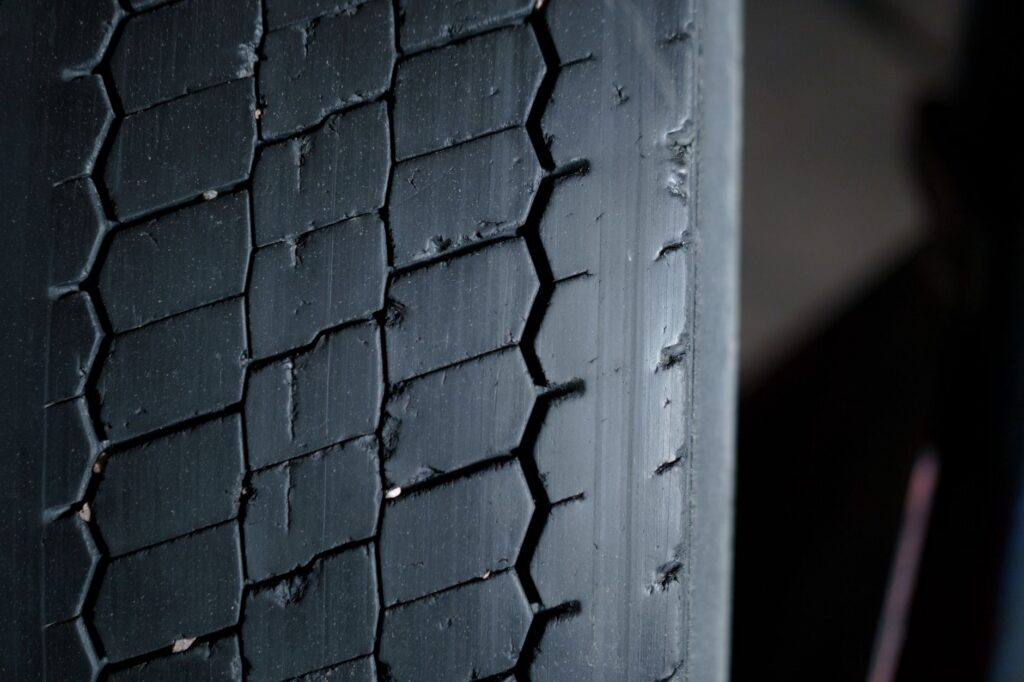
Most drivers know they will need to replace their tires eventually, but the harder question is always: right now, or not yet? Understanding how often to replace tires comes down to three factors — tread depth, age, and visible condition — and knowing how to read all three protects you from both the risk of driving on worn tires and the waste of replacing tires that still have good life left. Here in Plano and across North Texas, where triple-digit summer temperatures put extra stress on rubber and high-speed highway commutes eat through tread faster than mild-climate averages, the replacement schedule sometimes arrives sooner than the national guidelines suggest. This guide from Mike’s Tires Plano helps you figure out exactly where your tires stand.
The Tread Depth Rule: 2/32 Inch Is the Legal Minimum
Tread depth is the most direct measure of a tire’s remaining life. New passenger tires typically start with 10/32 to 11/32 inch of tread. As that wears down, the tire’s ability to channel water away and grip wet pavement diminishes sharply.
2/32 inch: replace now
The United States legal minimum tread depth is 2/32 inch. At this point, wet-weather stopping distance increases dramatically, and the tire is legally worn out. Most new tires include tread wear indicators — small rubber bars molded into the tread grooves at exactly 2/32 inch. When the indicators are flush with the surrounding tread surface, you are at the legal limit and need to replace immediately.
4/32 inch: plan your replacement
The practical safety threshold is 4/32 inch. Below this depth, wet braking performance degrades noticeably. A study by TireRack showed that stopping distance from 70 mph on wet pavement increases by 87 feet when comparing 4/32 tread to 2/32. Many tire professionals recommend replacing at 4/32 rather than waiting for the legal minimum — especially in a market like North Texas where summer thunderstorms arrive fast on busy freeways.
You can measure tread depth yourself with a quarter or a penny. Check the full process in our guide on how to check tire tread — it takes about two minutes and tells you immediately where you stand.
Tire Age: Why 6–10 Years Is the Outer Limit
Here is the part many drivers miss: tires age whether they are driven on or not. Rubber compounds contain antioxidants and antiozonants that gradually deplete as the tire is exposed to heat, UV light, and oxygen. When these additives are gone, the rubber dries out and becomes brittle, leading to cracks that are invisible from the outside but compromising the tire’s structural integrity.
How to find your tire’s age
Every tire manufactured since 2000 has a DOT code stamped on the sidewall. The last four digits are what you need: they indicate the week and year of manufacture. For example, “3422” means the 34th week of 2022. This is not the date you bought the tire — it is when the tire was made, which may be six months to over a year before installation.
The Texas heat factor
National tire manufacturers and the National Highway Traffic Safety Administration suggest inspecting tires annually after five years and replacing them by ten years. In North Texas, where summer air temperatures regularly hit 100°F and pavement surface temperatures can exceed 150°F for weeks at a time, UV degradation and heat-cycling stress tires harder than the national average. Many tire professionals in the DFW market advise replacing tires by 6–8 years, even when tread depth looks fine, specifically because of the accelerated UV and heat aging.
Visible Damage: Signs That Mean Replace Now
Beyond tread and age, certain conditions are automatic triggers for immediate replacement — no mileage calculation needed.
- Sidewall bulge or bubble: A bulge in the sidewall means the internal structure has failed. The tire can blow out without warning. Replace the same day.
- Deep sidewall cracks: Surface craze-cracking is cosmetic, but deep cracks that penetrate into the rubber indicate advanced dry rot. Replace promptly.
- Exposed cords or wire: If you can see the fabric or steel cords through worn or damaged tread, the tire is done. This is a blowout waiting to happen.
- Persistent slow leak: If a tire loses pressure repeatedly despite being topped off and no puncture can be found, the bead seal or valve stem may have failed. A professional inspection will determine whether repair or replacement is needed.
- Previous run-flat damage: Driving on a flat tire — even briefly — damages the internal structure. Even if the tire holds air after the fact, it may have hidden damage that makes it unsafe.
How Many Miles Should Tires Last?
Mileage warranties are a useful benchmark. Here is what to expect from different tire categories, under normal driving conditions in a mixed city-highway environment like the DFW area:
- Budget all-season: 25,000–40,000 miles
- Mid-range all-season: 45,000–60,000 miles
- Premium all-season: 60,000–90,000 miles
- Performance summer tire: 20,000–40,000 miles (shorter due to softer compound)
- All-terrain truck/SUV: 40,000–60,000 miles
These ranges assume proper inflation, regular rotations every 5,000–6,000 miles, and correct wheel alignment. Skip those maintenance steps and you can cut tire life nearly in half. If you want to maximize what you paid for, check our guide on how often to rotate tires — it is the single highest-impact habit for evening out wear.
The Cost of Waiting Too Long
There is a real financial and safety cost to delaying tire replacement. A tire driven to 2/32 tread or below is significantly less safe in rain and loses the manufacturer’s traction warranty entirely. More practically, driving on cupped or badly worn tires causes faster wear on suspension components — wheel bearings, ball joints, and shocks take more stress when the tires are not cushioning properly. Replacing tires when they are due is cheaper than replacing suspension parts ahead of schedule because you ran worn rubber too long.
Frequently Asked Questions
Can I drive on tires that are 7 years old if the tread looks fine?
Proceed with caution. Seven-year-old tires should be professionally inspected even if tread depth measures fine. In North Texas, the combination of UV exposure and heat cycling means rubber compounds degrade faster than in cooler climates. If there is any visible surface cracking or the tires have been stored outside, replacement is the safer call.
Do I have to replace all four tires at once?
Not necessarily. Replacing in pairs per axle (both fronts or both rears together) is acceptable on most vehicles. Always put the newer tires on the rear axle, regardless of drive type — this improves stability and prevents oversteer in wet conditions. Replacing all four is the easiest and safest approach if the budget allows.
How do I know if I need new tires or just a repair?
Punctures in the tread area that are smaller than 1/4 inch in diameter can usually be safely repaired with a plug and patch if the tread depth is still adequate. Sidewall damage, large punctures, and tires with less than 4/32 tread should be replaced, not repaired. When in doubt, bring it in and we will inspect it for free and give you a straight answer.
How long after buying tires should I expect to replace them again?
A quality mid-range all-season tire installed in Plano, with regular rotations and alignment checks, should last 4–6 years under typical commuting conditions. Premium brands with 60,000–80,000-mile warranties can stretch to 6–8 years for moderate drivers. Texas heat and highway miles will keep you toward the shorter end of any range.
If you are not sure whether your tires are due for replacement, the quickest answer is a free inspection at Mike’s Tires Plano. We will measure tread depth, check the DOT date, and look for any damage — and give you an honest recommendation. If you are ready to replace, explore our full selection of new tires and quality used tires for every budget, or contact us with any questions. We are your local tire shop in Plano, committed to keeping every vehicle on North Texas roads safely.